Top 7 Portable GPS Depth Finders for Boaters and Kayakers
Compare seven portable GPS depth finders for houseboats, kayaks and small boats. See key specs, pros, cons and who each model suits before you buy.
 By Owen Palmer
Updated November 23, 2026
 By Owen Palmer
Updated November 2026
Choosing a portable GPS depth finder means balancing screen size, sonar performance, battery life, GPS accuracy and how easily the unit moves between boats. Houseboat owners who anchor in unfamiliar coves, kayakers who need a unit they can clip on and carry, and small-boat anglers who want to stop guessing about bottom structure all face different trade-offs. The seven models below were compared on the criteria that matter most in real use: sonar type and transducer design, display size and readability in sunlight, GPS and mapping support, portability and mounting options, and the patterns owners commonly report about setup and reliability.
Our top picks at a glance
- 1TOP CHOICEBest overallGarmin Striker 4 with TransducerView on Amazon
- 2
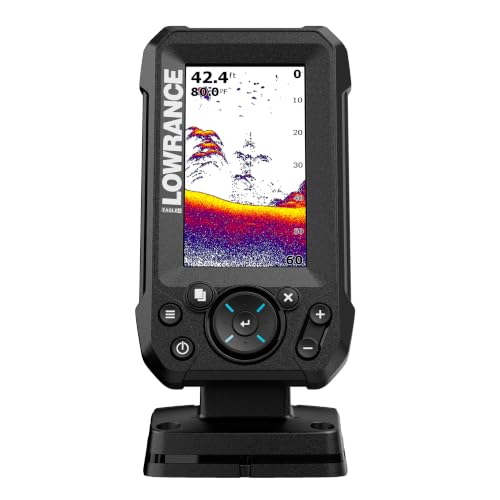 TOP CHOICEBest for larger screensLowrance Eagle 4X Fish FinderView on Amazon
- 3
 TOP CHOICEBest budget pickHandheld Fish Finder Portable Kayak Fishfinder Sonar Depth LCD DisplayView on Amazon
- 4
 Best for wireless useVenterior Portable Rechargeable Fish Finder Wireless Sonar SensorView on Amazon
- 5
 Best for castable setupsLUCKY Kayak Portable Fish Depth Finder Water Handheld Fish Finder Sonar CastableView on Amazon
- 6
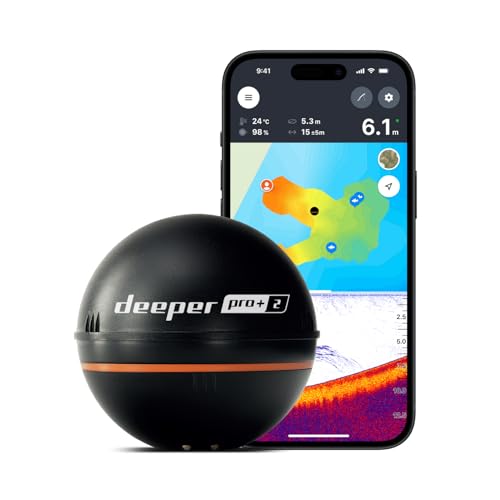 Best for GPS-enabled portabilityDeeper PRO+ 2 Sonar Fish FinderView on Amazon
- 7
 Best for color-palette scanningGarmin Striker Vivid 4cv Fishfinder with TransducerView on Amazon
Our Top Picks
Quick Comparison
| Product | Best for | Key feature |
|---|---|---|
| Garmin Striker 4 with Transducer | Overall use on boats and kayaks | Chirp sonar with built-in GPS |
| Lowrance Eagle 4X Fish Finder | Users who want a larger display | 4-inch IPS display with autotuning sonar |
| Handheld Fish Finder Portable Kayak Fishfinder | Budget-minded kayak anglers | Handheld unit with LCD depth readout |
| Venterior Portable Rechargeable Fish Finder | Shore-to-boat wireless scouting | Wireless sonar sensor with fish size readout |
| LUCKY Kayak Portable Fish Depth Finder | Castable use from kayaks and small boats | Castable transducer with LCD display |
| Deeper PRO+ 2 Sonar Fish Finder | Portable GPS mapping on the move | GPS-enabled castable sonar with app support |
| Garmin Striker Vivid 4cv Fishfinder | Easy scanning and color-coded readings | Scanning sonar with selectable color palettes |
Garmin Striker 4 with Transducer
Garmin 010-01550-00 Striker 4 with Transducer, 3.5" GPS Fishfinder with Chirp
Best for: Best overall
This is a practical choice for anglers and boaters who want a dependable unit with a built-in GPS and a straightforward mounting setup. It suits small boats, pontoons and kayaks that need a single unit for depth, structure and position.
Key specs
- 3.5-inch display
- Chirp sonar
- Built-in GPS
- Includes transducer
Pros
- Chirp sonar gives clearer target separation than many basic units.
- Built-in GPS adds position and track logging without a separate module.
- Owners often report a simple menu layout that is easy to learn.
Cons
- The 3.5-inch screen can be small for reading detailed charts at a glance.
- Mounting the transducer correctly takes some care to avoid noise and poor readings.
Bottom line: A strong first pick for someone who wants reliable sonar and GPS in one unit without paying for extras they will not use.
View on AmazonLowrance Eagle 4X Fish Finder
Lowrance Eagle 4X Fish Finder with Bullet Transducer | 4-inch IPS Display; wide-angle sonar coverage; autotuning sonar; easy twist-lock connector
Best for: Best for larger screens
Anglers who want a bigger, easier-to-read display on a houseboat tender, pontoon or small center console will find this model useful. The wide-angle sonar coverage helps when you are scanning a broader strip of water.
Key specs
- 4-inch IPS display
- Wide-angle sonar coverage
- Autotuning sonar
- Bullet transducer with twist-lock connector
Pros
- The 4-inch IPS screen is easier to read in bright light than smaller LCDs.
- Autotuning sonar reduces the amount of manual adjustment needed.
- The twist-lock connector makes transducer swaps quick.
Cons
- Larger screens draw more power, so battery planning matters for long days.
- Some users find the menu depth takes time to master.
Bottom line: Best suited to boaters who value screen size and want autotuning to handle most of the setup work.
View on AmazonHandheld Fish Finder Portable Kayak Fishfinder Sonar Depth LCD Display
Handheld Fish Finder Portable Kayak Fishfinder Sonar Depth LCD Display | Reliable fish & depth readings, easy to use, great value for kayak/boat fishing
Best for: Best budget pick
This handheld unit fits kayakers and paddle-board anglers who need a light, quick-to-deploy depth reader. It is a budget-friendly option for basic depth and fish readings rather than detailed mapping.
Key specs
- Handheld, portable design
- LCD depth display
- Sonar-based depth and fish readings
Pros
- Lightweight and simple enough to use right away.
- Owners often report that it covers the basics for kayak fishing.
- Low complexity makes it a good first depth finder.
Cons
- Lacks the mapping and GPS features of higher-end units.
- Display detail is limited compared with color or larger screens.
Bottom line: A sensible choice for casual kayak anglers who want depth readings without a complicated setup.
View on AmazonVenterior Portable Rechargeable Fish Finder Wireless Sonar Sensor
Venterior Portable Rechargeable Fish Finder Wireless Sonar Sensor Fishfinder Depth Locator with Fish Size, Temperature, Bottom Contour, Color Display
Best for: Best for wireless use
Anglers who want to drop a sensor over the side and watch readings on a separate display will appreciate the wireless design. It fits shore anglers, ice anglers and boaters who scout spots before committing to a location.
Key specs
- Rechargeable unit
- Wireless sonar sensor
- Color display
- Readouts for depth, fish size, temperature and bottom contour
Pros
- The wireless sensor makes it flexible for shore and boat use.
- Rechargeable operation reduces the need for disposable batteries.
- Multiple readouts give more context than depth alone.
Cons
- Wireless links can drop at longer distances or through obstructions.
- Sensor readings are less precise than a fixed transducer on a permanent mount.
Bottom line: Good for anglers who scout from multiple positions and value portability over fixed installation.
View on AmazonLUCKY Kayak Portable Fish Depth Finder Water Handheld Fish Finder Sonar Castable
LUCKY Kayak Portable Fish Depth Finder Water Handheld Fish Finder Sonar Castable Kayak Boat Fishfinder Transducer Fishing LCD Display FFC1108
Best for: Best for castable setups
This castable unit suits kayakers and small-boat anglers who want to cast the transducer away from the hull to avoid engine and boat noise. It is aimed at quick deployment from a light craft.
Key specs
- Castable transducer
- Handheld display
- LCD readout
Pros
- Castable design keeps the sensor clear of the hull.
- Simple controls suit quick checks on the water.
- Light enough for kayak carry.
Cons
- Castable sensors need retrieving after each cast, which slows long scans.
- Limited detail compared with GPS-enabled units.
Bottom line: A practical pick for kayakers who fish shallow water and want to cast and check depth quickly.
View on AmazonDeeper PRO+ 2 Sonar Fish Finder
Deeper PRO+ 2 Sonar Fish Finder – Portable Fish Finder and Depth Finder For Kayaks, Boats and Ice Fishing with GPS Enabled | Castable Deeper Fish Finder with FREE User Friendly App
Best for: Best for GPS-enabled portability
Anglers who want GPS mapping and phone-based tracking in a portable castable unit will find this model fits their needs. It works for kayaks, boats and ice fishing.
Key specs
- GPS-enabled
- Castable sonar
- Companion app support
Pros
- GPS enabled for position tracking while you move.
- Companion app gives a larger view on a phone or tablet.
- Castable design works across several water types.
Cons
- Relies on a phone or tablet for the best viewing experience.
- Battery and connection management needs attention on long trips.
Bottom line: A strong choice for anglers who want portable GPS and app-based mapping across kayaks and boats.
View on AmazonGarmin Striker Vivid 4cv Fishfinder with Transducer
Garmin Striker Vivid 4cv Fishfinder with Transducer – 4-inch LCD Display – Easy-to-Use Scanning Sonar – Color Palettes, 11.2 Ounces (010-02550-00)
Best for: Best for color-palette scanning
Anglers who prefer scanning sonar with color-coded readings will appreciate this model. It suits small boats and kayaks where quick visual reading of bottom structure matters.
Key specs
- 4-inch LCD display
- Scanning sonar
- Selectable color palettes
- Includes transducer
Pros
- Color palettes make it easier to separate bottom and target returns.
- Scanning sonar provides a wide view of the water column.
- Light enough for kayak and small-boat use.
Cons
- Owners sometimes report that palette choice takes trial and error to suit conditions.
- Transducer mounting needs care to get clean readings.
Bottom line: Ideal for anglers who want a color display with scanning sonar in a compact, portable package.
View on AmazonBuying Guide
Sonar Type and Transducer Design
Check whether the unit uses standard, Chirp or scanning sonar. Chirp sonar sends a sweep of frequencies and generally separates targets more clearly, while castable and wireless designs trade some precision for flexibility. Confirm the transducer type before buying, because it determines how the unit mounts and how much noise it picks up.
Good picks for this: Garmin Striker 4 with Transducer, Garmin Striker Vivid 4cv Fishfinder
Display Size and Readability
Screen size affects how much detail you can read at a glance. Larger IPS or color displays are easier to read in bright sunlight, while smaller LCDs save power and weight. Check whether the display is viewable from the helm or from a kayak seat.
Good picks for this: Lowrance Eagle 4X Fish Finder, Garmin Striker Vivid 4cv Fishfinder
GPS and Mapping Support
If you want to mark spots, log tracks or return to the same location, confirm the unit has built-in GPS or supports a companion app. Without GPS, you can still read depth, but you lose position logging.
Good picks for this: Deeper PRO+ 2 Sonar Fish Finder, Garmin Striker 4 with Transducer
Portability and Weight
Measure how you will carry the unit. Kayak anglers should favor lightweight handheld or castable designs, while boat owners can accept a heavier unit mounted on a bracket. Think about whether you will store it on the boat or carry it between vehicles and docks.
Good picks for this: Handheld Fish Finder Portable Kayak Fishfinder, LUCKY Kayak Portable Fish Depth Finder
Battery Life and Power Source
Rechargeable units suit regular use, but check the stated run time and whether you can swap or recharge batteries on the water. Larger screens and GPS features draw more power, so plan for a full day of use with a spare charge. For guidance on batteries, see Battery for Depth Finder: How to Choose and Maintain the Right One.
Good picks for this: Venterior Portable Rechargeable Fish Finder, Deeper PRO+ 2 Sonar Fish Finder
Mounting and Installation
Fixed transducers need a clean mounting position with minimal turbulence, while castable and handheld units require no installation. For a fixed setup, review Where to Mount Depth Finder on Pontoon: Placement Guide before drilling anything. Keep transducer cable runs short and avoid kinks.
Good picks for this: Lowrance Eagle 4X Fish Finder, Garmin Striker 4 with Transducer
Durability and Water Protection
Look for a water-resistant housing rating and a transducer built to handle immersion and cleaning. Store the unit dry when not in use, and rinse the transducer with fresh water after saltwater trips to prevent residue buildup.
Good picks for this: Garmin Striker Vivid 4cv Fishfinder, Handheld Fish Finder Portable Kayak Fishfinder
FAQ
What is the difference between a portable GPS depth finder and a standard depth finder?
A portable GPS depth finder includes satellite positioning, so it can log your location, mark spots and show your track. A standard depth finder only measures depth and bottom features. GPS is useful for returning to productive areas or documenting routes.
Can a portable depth finder with GPS work on a houseboat?
Yes, but houseboats usually have more stable mounting options than kayaks. A portable unit can serve as a backup or a scouting tool, while a fixed installation is better for constant use. Check the transducer requirements and power draw against your boat’s electrical system.
Do I need a transducer for a portable depth finder?
Most units include a transducer or sensor, but the type varies. Fixed transducers mount to the hull, castable transducers are cast into the water from a kayak or small boat, and wireless sensors work independently. Confirm the type before buying.
How accurate are portable GPS depth finders?
Accuracy depends on sonar type, transducer placement, water conditions and GPS signal strength. Owners often report that readings are most reliable in calm water with a clear view of the sky. Always verify depth and navigation with charts and, where needed, a professional navigation source.
How do I maintain a portable depth finder?
Rinse the unit and transducer with fresh water after each trip, dry the housing, store it out of direct sun, and keep battery contacts clean. Check cables and connectors for damage. Manufacturers’ manuals provide model-specific care instructions.
Is it safe to rely on a depth finder for navigation?
A depth finder is a helpful aid but should not replace charts, lights or local knowledge. Readings can be affected by noise, weeds or turbulence. For safety guidance on navigation and boating equipment, consult a qualified marine professional or your local boating authority.
Conclusion
For most boaters, the Garmin Striker 4 with Transducer offers a balanced mix of sonar, GPS and simplicity. Houseboat and pontoon owners who want a larger screen should look at the Lowrance Eagle 4X Fish Finder, while kayakers on a tight budget may prefer the Handheld Fish Finder Portable Kayak Fishfinder. Anglers who need wireless scouting, castable depth readings or GPS-enabled mapping on the move should consider the Venterior, LUCKY and Deeper PRO+ 2 models. The Garmin Striker Vivid 4cv suits those who want color scanning sonar in a compact unit. Match the sonar type, screen size and power needs to how you actually fish or navigate.
Sources
- Charts, navigation data and guidance on water depth and marine safety (noaa.gov)
- Boating safety standards, equipment requirements and recreational boater resources (uscg.mil)
- Practical boat owner guidance on electronics, installation and maintenance (boatus.org)
Related reading
- Depth Finder GPS Combo: How to Choose and Use One on a Houseboat (2026)
- Best Depth Finder and GPS for Houseboats: How to Choose the Right One
- 6 Best Portable Sonar Depth Finder Options for Kayaks and Small Boats
- 6 Best Portable Boat Depth Finder Options for Small Boats and Kayaks (2026)
About Owen Palmer
Owen Palmer is part of our editorial team and reviews and edits our houseboating guides, checking product details against manufacturer specifications and owner feedback.
About the author
Owen Palmer writes reviews and buying guides for Discover Houseboating.