6 Best Boat Motor Carb Cleaners for Outboards and Small Engines (2026)
Compare 6 boat motor carb cleaners for outboards and marine engines. See which formula suits your carburetor, fuel system and budget before you buy.
 By Lauren Holland
Updated November 8, 2026
 By Lauren Holland
Updated November 2026
Choosing a boat motor carb cleaner comes down to a few practical questions: does the engine run a carburetor or fuel injection, is it a two-stroke or four-stroke, and do you need a spray for quick cleaning or a fuel-additive style treatment for the whole system? This guide compares six well-established options, weighing manufacturer specifications, brand reputation and the patterns owners commonly report about cleaning power, fuel compatibility and ease of use on the water and in the garage.
Our top picks at a glance
- 1TOP CHOICEBest overallQuicksilver Quickleen Engine & Fuel System Cleaner, 12 ozView on Amazon
- 2
 TOP CHOICEBest for fuel-system treatmentQuicksilver 858080Q03 Power Tune Internal Engine Cleaner for 2-Stroke,View on Amazon
- 3
 TOP CHOICEBest for heavy varnish removalValvoline Carb, Choke & Throttle Body Cleaner, 13 ozView on Amazon
- 4
 Best for quick jet sprayGumout 800002230 Carb and Choke Cleaner Jet Spray – 16 oz.View on Amazon
- 5
 Best multi-pack valueGumout 800002231 Carb/Choke Carburetor Cleaner Spray, Carb Intake ValvView on Amazon
- 6
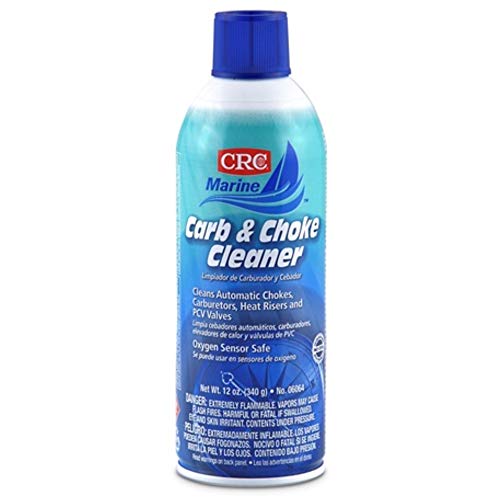 Best marine-specific pickCRC Marine Carb and Choke CleanerView on Amazon
Our Top Picks
Quick Comparison
| Product | Best for | Key feature |
|---|---|---|
| Quicksilver Quickleen Engine & Fuel System Cleaner, 12 oz | Overall fuel-system cleaning | Removes carbon from carburetors, injectors and engine components |
| Quicksilver 858080Q03 Power Tune Internal Engine Cleaner | Fuel-system treatment across engine types | Works in 2-stroke, 4-stroke and fuel-injected gas engines |
| Valvoline Carb, Choke & Throttle Body Cleaner, 13 oz | Heavy gum and varnish buildup | Dissolves carbon, gum and varnish |
| Gumout 800002230 Carb and Choke Cleaner Jet Spray, 16 oz | Fast spot cleaning | Directional jet spray nozzle |
| Gumout 800002231 Carb/Choke Carburetor Cleaner Spray, 14 oz (Pack of 6) | Frequent use and shop stock | Six cans per pack for repeated service |
| CRC Marine Carb and Choke Cleaner | Marine engines and salt-exposed parts | Formulated for marine carburetor service |
Quicksilver Quickleen Engine & Fuel System Cleaner, 12 oz
Quicksilver Quickleen Engine & Fuel System Cleaner, 12 oz | Removes Carbon Deposits from Carburetors, Injectors & Engine Components
Best for: Overall fuel-system cleaning on outboards and sterndrives
This suits boat owners who want one cleaner for carburetor passages, injectors and other fuel-system components, and who prefer a marine brand familiar to outboard owners.
Key specs
- Size: 12 oz
- Designed to remove carbon deposits from carburetors, injectors and engine components
Pros
- Marine brand with broad outboard familiarity
- Addresses the whole fuel path, not just the carb bowl
- Single bottle covers general maintenance needs
Cons
- Heavy varnish may need more than one treatment
- Smaller bottle size for large engine counts
Bottom line: A strong first choice for owners who want a dependable, marine-branded all-round cleaner for routine fuel-system service.
View on AmazonQuicksilver 858080Q03 Power Tune Internal Engine Cleaner for 2-Stroke, 4-Stroke and Fuel-Injected Gas Engines – 12 Oz.
Quicksilver 858080Q03 Power Tune Internal Engine Cleaner for 2-Stroke, 4-Stroke and Fuel-Injected Gas Engines – 12 Oz.
Best for: Fuel-system treatment across mixed engine types
Owners with a mix of two-stroke, four-stroke and fuel-injected engines, or those who prefer a periodic internal treatment added to fuel, will find this format useful.
Key specs
- Size: 12 oz
- Labeled for 2-stroke, 4-stroke and fuel-injected gas engines
Pros
- Broad compatibility across engine designs
- Internal treatment approach complements carb sprays
- Marine-brand origin
Cons
- Works more slowly than a direct carb spray
- Does not replace hands-on carburetor disassembly for severe clogs
Bottom line: Best for owners who want preventive internal maintenance across varied engines rather than a fast spray-and-clean.
View on AmazonValvoline Carb, Choke & Throttle Body Cleaner, 13 oz
Valvoline Carb, Choke & Throttle Body Cleaner, 13 oz | Dissolves carbon, gum, and varnish to restore engine performance.
Best for: Heavy gum and varnish buildup
This fits owners dealing with boats stored over the off-season, where fuel varnish has hardened in small passages and needs a more aggressive solvent.
Key specs
- Size: 13 oz
- Stated to dissolve carbon, gum and varnish
Pros
- Targets hardened deposits in carb and throttle body
- Known automotive-grade brand for solvent cleaners
- Clear application for throttle body cleaning too
Cons
- Not marine-specific in labeling
- Strong solvent odor requires good ventilation
Bottom line: A good match for stubborn varnish after winter storage, provided you work in a ventilated space.
View on AmazonGumout 800002230 Carb and Choke Cleaner Jet Spray – 16 oz.
Gumout 800002230 Carb and Choke Cleaner Jet Spray – 16 oz.
Best for: Fast spot cleaning
Owners who want to clear a sticking choke or spray a carb throat quickly during a dockside check will appreciate the directional jet nozzle.
Key specs
- Size: 16 oz
- Jet spray nozzle for targeted application
Pros
- Nozzle makes precise application easier
- Good for quick maintenance between trips
- Widely available brand
Cons
- Spot treatment only; not a full fuel-system solution
- Aerosol use needs clear ventilation and fire precautions
Bottom line: Ideal as a quick spot cleaner in a tool kit, not as a replacement for full carburetor service.
View on AmazonGumout 800002231 Carb/Choke Carburetor Cleaner Spray, Carb Intake Valve Cleaner Cleans Gum Varnish & Dirt Inside & Outside Carburetor Chamber 14 Oz. (Pack of 6)
Gumout 800002231 Carb/Choke Carburetor Cleaner Spray, Carb Intake Valve Cleaner Cleans Gum Varnish & Dirt Inside & Outside Carburetor Chamber 14 Oz. (Pack of 6)
Best for: Frequent use and shop stock
Anyone servicing several engines, or who keeps spare cans in a boathouse or garage, will find the multi-pack practical.
Key specs
- Size: 14 oz per can, pack of 6
- Cleans inside and outside the carburetor chamber
Pros
- Six cans reduce repeated shopping trips
- Covers intake valve and chamber cleaning
- Consistent formula across the pack
Cons
- Aerosol cans need careful storage
- Pack is more than a single-engine owner typically needs
Bottom line: Best for shops, multi-boat owners and anyone who services carburetors regularly.
View on AmazonCRC Marine Carb and Choke Cleaner
CRC Marine Carb and Choke Cleaner
Best for: Marine engines and salt-exposed parts
Boaters who want a cleaner labeled for marine use, particularly those working on engines exposed to humid, salty conditions, will find this the most relevant choice.
Key specs
- Marketed specifically as a marine carb and choke cleaner
Pros
- Marine-specific labeling
- Established brand in marine and industrial maintenance
- Suitable for choke and carb cleaning in one product
Cons
- Specific can size and volume should be confirmed on the listing
- Aerosol application requires ventilation
Bottom line: A sensible choice for owners who want a cleaner explicitly positioned for marine carburetors.
View on AmazonBuying Guide
Two-Stroke vs. Four-Stroke and Fuel-Injected Engines
Engine design affects which cleaner makes sense. Carbureted two-stroke outboards accumulate oil residue alongside fuel varnish, so a cleaner with strong solvency for mixed deposits works well. Four-stroke and fuel-injected engines often need injector-compatible formulas and a gentler approach to avoid damaging sensors.
Good picks for this: Quicksilver 858080Q03 Power Tune Internal Engine Cleaner, Quicksilver Quickleen Engine & Fuel System Cleaner
Spray Cleaner vs. Fuel-Additive Treatment
Aerosol carb sprays are used during disassembly or for fast cleaning of accessible passages. Fuel-additive treatments work through the fuel system over time. Many owners use both: a spray for service and an additive for prevention.
Good picks for this: Gumout 800002230 Carb and Choke Cleaner Jet Spray, Quicksilver 858080Q03 Power Tune Internal Engine Cleaner
Strength for Stored or Varnished Engines
Fuel left in an engine over winter can leave hard varnish that resists mild cleaners. Stronger solvent formulas are often recommended for this, but always check that the cleaner is compatible with your fuel-line materials and gaskets.
Good picks for this: Valvoline Carb, Choke & Throttle Body Cleaner, 13 oz, Quicksilver Quickleen Engine & Fuel System Cleaner, 12 oz
Marine vs. Automotive Labeling
Marine engines sit in humid, salt-laden air, and marine-labeled products are formulated with that environment in mind. Automotive cleaners can work well on outboards, but confirm compatibility with any components you are unsure about.
Good picks for this: CRC Marine Carb and Choke Cleaner, Quicksilver Quickleen Engine & Fuel System Cleaner
Quantity and Shelf Life
If you service one outboard a season, a single 12 to 16 oz can is usually enough. Shops and owners with several engines benefit from larger packs. Store aerosol cans upright, away from heat, and keep the cap clean to avoid clogging.
Good picks for this: Gumout 800002231 Carb/Choke Carburetor Cleaner Spray (Pack of 6), Gumout 800002230 Carb and Choke Cleaner Jet Spray
Ventilation and Safe Handling
Carb cleaners are flammable and release strong vapors. Work outdoors or in a well-ventilated space, keep ignition sources away, and wear eye and skin protection. Check the product label for specific warnings. For questions about exposure or handling, consult a qualified professional.
Good picks for this: CRC Marine Carb and Choke Cleaner, Valvoline Carb, Choke & Throttle Body Cleaner, 13 oz
FAQ
Can I use carb cleaner on a fuel-injected outboard?
Some carb cleaners are safe for fuel-injected engines, but injectors and sensors can be sensitive to harsh solvents. Check the label and the engine manufacturer’s guidance before using a spray on injection components.
How often should I clean a boat motor carburetor?
Many manufacturers recommend service at regular intervals and before long storage. Engines used infrequently or stored with fuel in the tank are more prone to varnish, so owners often clean before and after the season.
Do I need to remove the carburetor to clean it?
Not always. Sprays can clean accessible passages, but heavy deposits in jets and float chambers may require removing the carburetor. Follow the service manual for your engine.
Is carb cleaner the same as fuel system cleaner?
No. Carb cleaners are usually aerosol solvents used during service. Fuel system cleaners are typically added to the tank and work through the fuel system over time.
What should I wear when using carb cleaner?
Use eye protection and chemical-resistant gloves, and work in a ventilated area away from sparks or flame. Read the label for specific precautions.
Can carb cleaner damage fuel lines or gaskets?
Some strong solvents can affect rubber and plastic parts over repeated exposure. Choose a formula compatible with the materials in your fuel system and avoid prolonged contact with seals.
Conclusion
For an all-round marine choice, the Quicksilver Quickleen Engine & Fuel System Cleaner is a dependable starting point. Owners with stored or heavily varnished engines may prefer the Valvoline Carb, Choke & Throttle Body Cleaner, while those who want a marine-labeled spray will find the CRC Marine Carb and Choke Cleaner most relevant. Shops and multi-engine owners will benefit from the Gumout six-pack, and the Gumout jet spray suits quick dockside touch-ups. For internal preventive treatment across mixed engine types, the Quicksilver Power Tune is worth considering. Always follow your engine manufacturer’s service guidance and consult a qualified marine mechanic for complex carburetor or injection work.
You may also find these related guides useful: Best Boat Cleaner Products: 6 Options Compared for Hull, Deck and Vinyl covers general boat cleaning products, and Outboard Boat Motor Cover: How to Choose and Fit One Right (2026) explains how to protect the engine between trips.
Sources
- Guidance on fuel additives, emissions and handling of volatile petroleum products (epa.gov)
- Workplace safety guidance on flammable aerosols and solvent vapor exposure (osha.gov)
- Marine industry standards and maintenance information for outboard and sterndrive engines
Related reading
- Cleaner for Boat Seats: 6 Steps to Clean Vinyl and Marine Upholstery
- Cleaner for Aluminum Boat: A Step-by-Step Guide to a Spotless Hull
About Lauren Holland
Lauren Holland is part of our editorial team and reviews and edits our houseboating guides, checking product details against manufacturer specifications and owner feedback.
About the author
Lauren Holland writes reviews and buying guides for Discover Houseboating.